Car Accident Injury Treatment in St. Augustine, FL
After a car accident, Back in Motion treats the injuries crashes cause most: whiplash, neck and back sprains, headaches and pinched nerves. Dr. Colby Caltrider starts with an exam and X-rays, then treats you in stages with adjustments, soft tissue work, decompression, laser and corrective exercise, and checks your progress along the way. PIP paperwork is handled in the office, and accident patients are seen the same or next day.
What treatment do you need after a car accident?
Start with an exam, even if the pain is mild. Most crash injuries are soft tissue and joint injuries of the neck and back: sprains, strains, irritated nerves and joints that stop moving well. They are treated with hands on care, targeted therapies and exercise, in stages, with your progress measured along the way.
What you should not do is wait to see if it goes away. Adrenaline hides pain for a day or more after a crash, and in Florida your PIP benefits depend on getting care within 14 days (Fla. Stat. 627.736). See Florida PIP explained.
Can a chiropractor treat car accident injuries?
Yes. Whiplash, neck and back sprains, headaches that start in the neck, and pinched nerves are the injuries chiropractors treat most after a crash. A chiropractor also screens for injuries that need a medical doctor or an emergency room, and refers you when they do.
What happens at your first accident visit?
It starts with an exam, not an adjustment.
- 1
Crash history
Where you were sitting, the direction of impact, whether you saw it coming, and how you felt in the hours and days after.
- 2
Orthopedic and neurological tests
Range of motion, reflexes, strength and sensation, to find which tissues and nerves are involved.
- 3
X-rays when indicated
In office digital X-rays, including the Davis cervical series that shows how the neck moves. A radiologist measures ligament laxity when needed.
- 4
A plan in plain words
What is injured, what treatment will look like, how often you will come in, and when you will be examined again.
- Weakness, numbness or tingling that is getting worse
- Loss of bladder or bowel control
- A severe headache, confusion, vomiting or vision changes
- Chest or abdominal pain, or trouble breathing
How are common car accident injuries treated?
Whiplash and neck sprain
Adjustments, soft tissue work, laser and neck stabilization exercises.
WhiplashHeadaches that start in the neck
Upper neck adjustments and soft tissue work for the muscles at the base of the skull.
HeadachesDisc injury or pinched nerve
Spinal decompression with adjustments and exercise, and a referral for imaging when the exam calls for it.
Spinal decompressionNot sure what is hurt?
The exam finds it. Same or next day visits for accident patients.
Book an Accident Exam
How does car accident treatment work?
Every plan is built from your exam, but most accident cases follow the same arc.
- 1First visits
Calm it down
The goal is less pain and inflammation and getting stiff joints moving again. Gentle adjustments, soft tissue work, Class IV laser and electrical stimulation, plus ice or heat guidance and what to avoid at home.
- 2Middle of care
Restore motion and strength
As pain settles, care shifts to range of motion and stability. Adjustments continue, corrective exercises start, and decompression or focused shockwave is added when a disc or a stubborn tendon is part of the injury.
- 3End of care
Finish and document
A final exam compares where you are to where you started. You get a home program to keep the progress. If an injury has not fully resolved, Dr. Colby can issue an impairment rating under the AMA Guides, 6th Edition.
What treatments are used after a car accident?
Chiropractic adjustment
Specific, controlled movement to restore motion in joints of the neck, mid back and low back that locked up after the impact. Low force and instrument options are available for patients who prefer no cracking.
Neck pain careSoft tissue work
Myofascial release, trigger point therapy and NIMMO Receptor Tonus technique for the muscles that tightened to protect the injured area.
Spinal decompression
Back on Trac decompression, FDA 510(k) cleared, to take pressure off discs and nerve roots when a disc is involved.
Spinal decompressionFocused shockwave
For tendon and soft tissue injuries that are slow to heal, such as a strained shoulder or elbow from bracing on the wheel.
Shockwave therapyClass IV laser and electrical stimulation
Used early in care to help settle pain and inflammation so you can move and do your exercises.
Corrective exercise and taping
Neck and core stabilization, posture work and Rocktape taping, so the progress made in the office holds up at home and at work.
How do you know treatment is working?
Feeling better is the goal, but it is not the only measure. At each checkpoint Dr. Colby repeats the key parts of your first exam: range of motion, the tests that were positive, and your pain and function scores. You see the numbers change. If they stop improving, the plan changes, or you are referred for imaging or a specialist.
What records do you get for PIP and attorneys?
Every visit is documented: the initial exam findings, X-ray reports, treatment notes and progress exams. That record supports your PIP claim and, if you have one, your attorney’s case. When care ends, Dr. Colby can provide an impairment rating under the AMA Guides, 6th Edition.
On a motorcycle? Florida PIP does not cover riders. See motorcycle accident injuries.
Frequently asked questions
How long does treatment take after a car accident?
It depends on the injury. A mild strain can settle in a few weeks. Whiplash with ligament or disc involvement takes longer. Dr. Colby gives you a plan with a visit schedule after your exam and examines you again at set checkpoints, so care is never open ended.
How often will I come in?
More often at the start, when the injury is most irritated, then less often as you improve. Your schedule is set after the exam and adjusted at each progress check.
Should I get treated if I do not have pain yet?
Get examined. Pain after a crash often shows up a day or more later, and the exam can find injuries that have not started to hurt yet. In Florida, care must start within 14 days for PIP to pay.
Who pays for car accident treatment?
In Florida, your own PIP pays first, whoever caused the crash. We handle the PIP paperwork. If PIP runs out or does not apply, options include MedPay, a letter of protection with your attorney, or our self-pay rates. We do not accept health insurance.
Can I be seen the same day?
We hold same or next day appointments for accident patients. Book online or call and say it is an accident visit.
Should I see a medical doctor first?
Go to the emergency room first for any of the red flag symptoms on this page. For neck and back pain without them, you can start with a chiropractic exam. We refer out for imaging or medical care when the exam calls for it.
Do I need an attorney to be treated?
No. If you have one, we send clear records and coordinate. If you do not, we focus on your care.
Where can I get car accident treatment in St. Augustine?
Back in Motion Injury & Wellness Center, 309 Kingsley Lake Drive, Suite 901, St. Augustine, FL 32092, in St. Johns County. Patients come from across the county, including World Golf Village, Nocatee and Ponte Vedra.
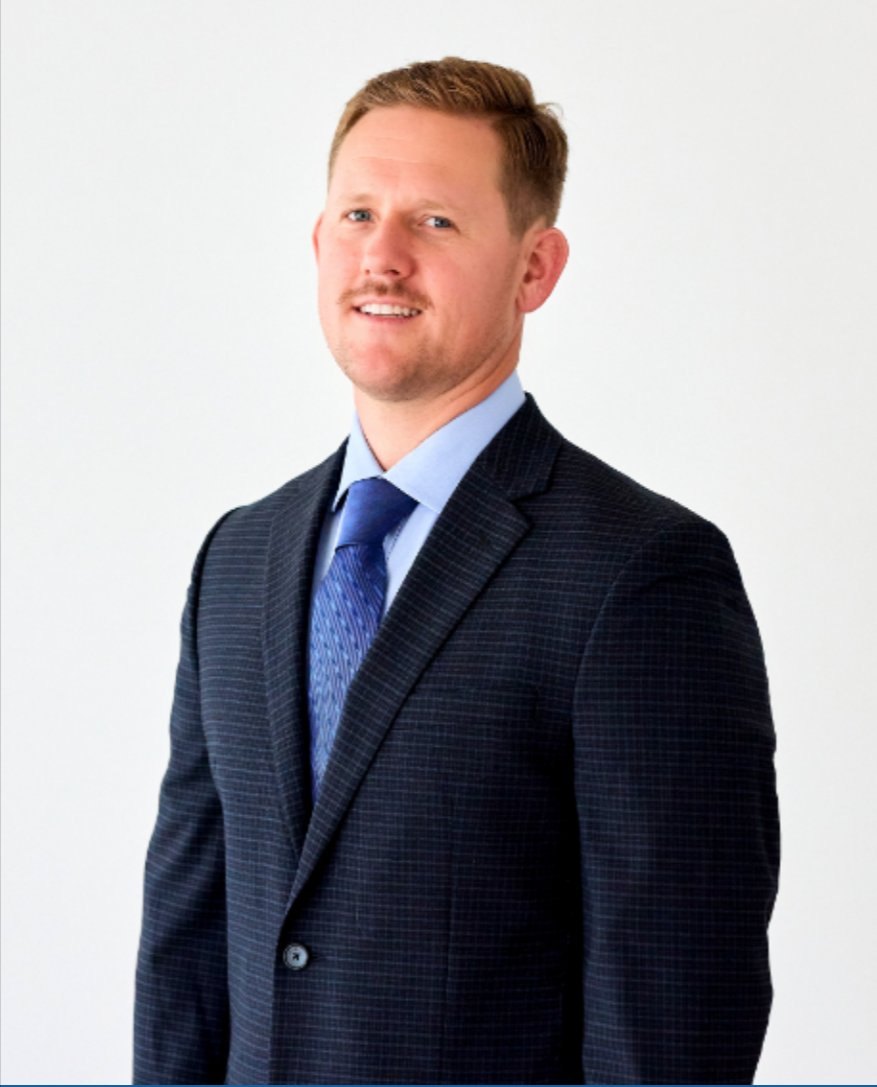
Dr. Colby Caltrider, D.C.
Palmer College graduate · OwnerDr. Colby examines and treats every accident patient himself, from the first exam and X-rays to the final progress check, and issues impairment ratings under the AMA Guides, 6th Edition, when a case needs one.
When someone walks in here in pain, my job isn't to sell them a package. My job is to figure out what's going on and get them moving again. That's it.