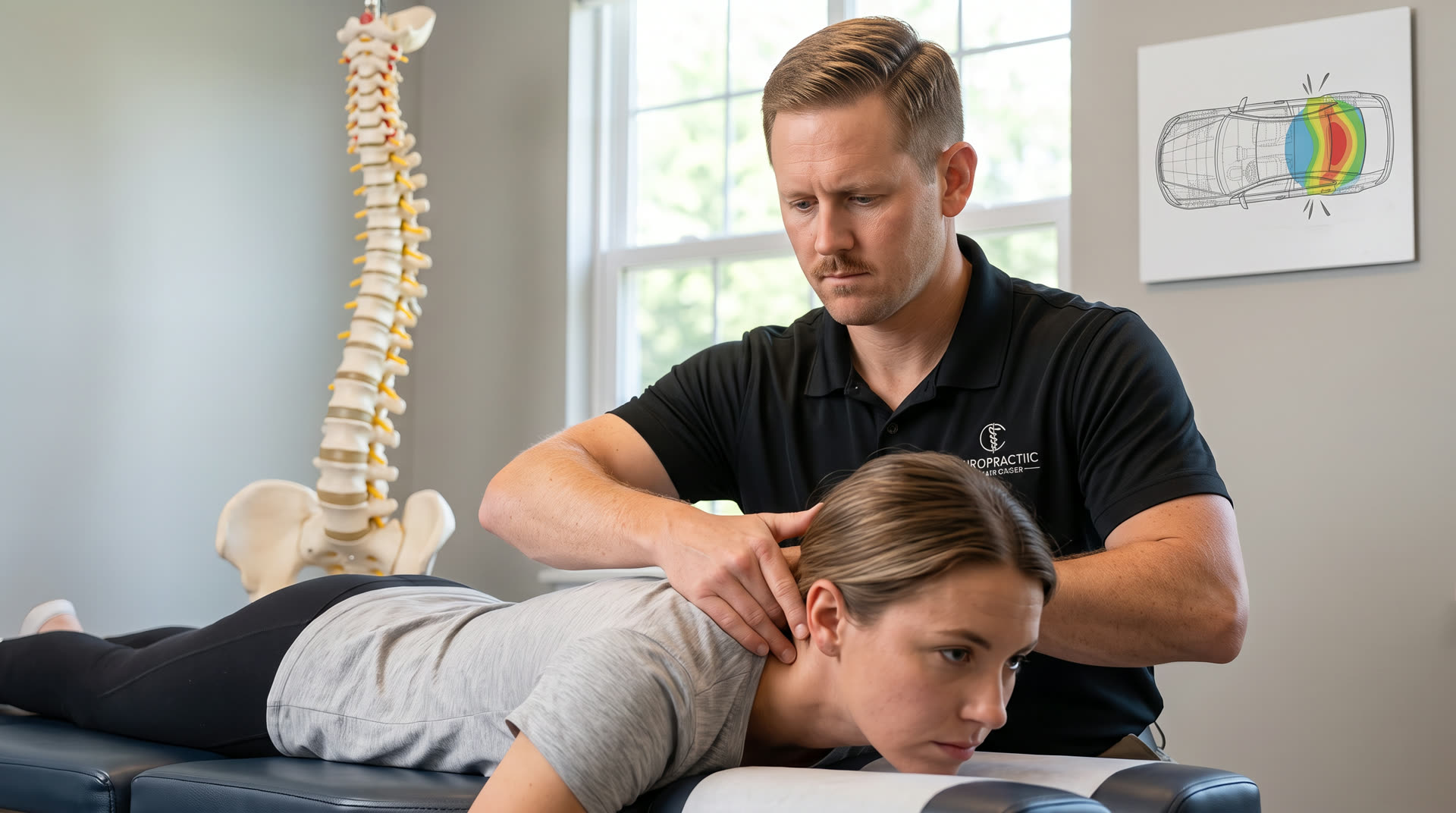
A minor crash can fool you into thinking your body walked away just fine. Then your neck gets tight, your back starts aching, or a simple turn of the head suddenly hurts. That delayed discomfort can make a small accident feel much bigger a day or two later.
Your body can absorb a lot of force even when your car shows little damage. Pain may show up while you drive, sleep, sit at work, or handle normal tasks around the house. Working with a car accident chiropractor in St. Augustine can help you understand what changed and why certain movements now hurt.
The team at Back in Motion can check how your neck, back, joints, and muscles are moving after the crash.
Here are the ways a minor car accident can leave behind discomfort that deserves a closer look.
Pain That Waits to Show Up
A small crash can feel harmless right after it happens. Once the shock wears off, your neck may tighten, and your back may start to ache. Pain can slowly build as sore muscles and irritated joints begin reacting to the impact.
Those changes can make normal movements feel harder than they did before the accident. Turning your head, getting out of bed, or sitting at work may suddenly feel uncomfortable. A car accident chiropractor in St. Augustine can check how your body is moving and find areas that may need attention.
Delayed pain timeline
Move through the sample timeline to see why discomfort may become more noticeable after the first moments following a crash.
Choose a stage above to see what may be happening at that point.
0 of 4 stages reviewed
Feeling fine immediately after a collision does not predict how every part of the body will feel later.
These interactive features explain common post-crash discomfort and movement patterns. A full examination is needed to understand what may be causing your symptoms.
Post-crash discomfort may become noticeable at different times for different people.Headaches That Start at the Base of Your Skull
Pressure near the base of your head can be easy to brush off at first. Muscles around the upper neck may tighten after a sudden impact and place extra stress on nearby joints. Over time, that strain can send pain upward and make headaches harder to ignore.
Certain movements may also make the discomfort more noticeable. Looking down, checking a blind spot, or sitting in one position for too long can trigger more pressure around the back of your head. Frequent headaches after an accident can be a sign that your upper neck needs a closer look.
During an exam, Back in Motion can check how well your neck bends, turns, and handles normal movement. Small changes in those areas may help explain why the headaches keep returning. Getting those problem spots checked can help you understand what may be causing the pain.
Why Does My Neck Hurt Days After a Car Accident?
Delayed neck pain can catch you off guard after a crash that seemed minor. Irritated muscles and joints may grow sore as your body settles after the impact. Simple actions like checking traffic or looking at your phone can suddenly hurt.
Stiffness can also make sleeping, driving, and getting through the workday harder. Each painful movement may give clues about which parts of your neck are still irritated. A chiropractor can examine how your neck moves and help find what may be causing the discomfort.
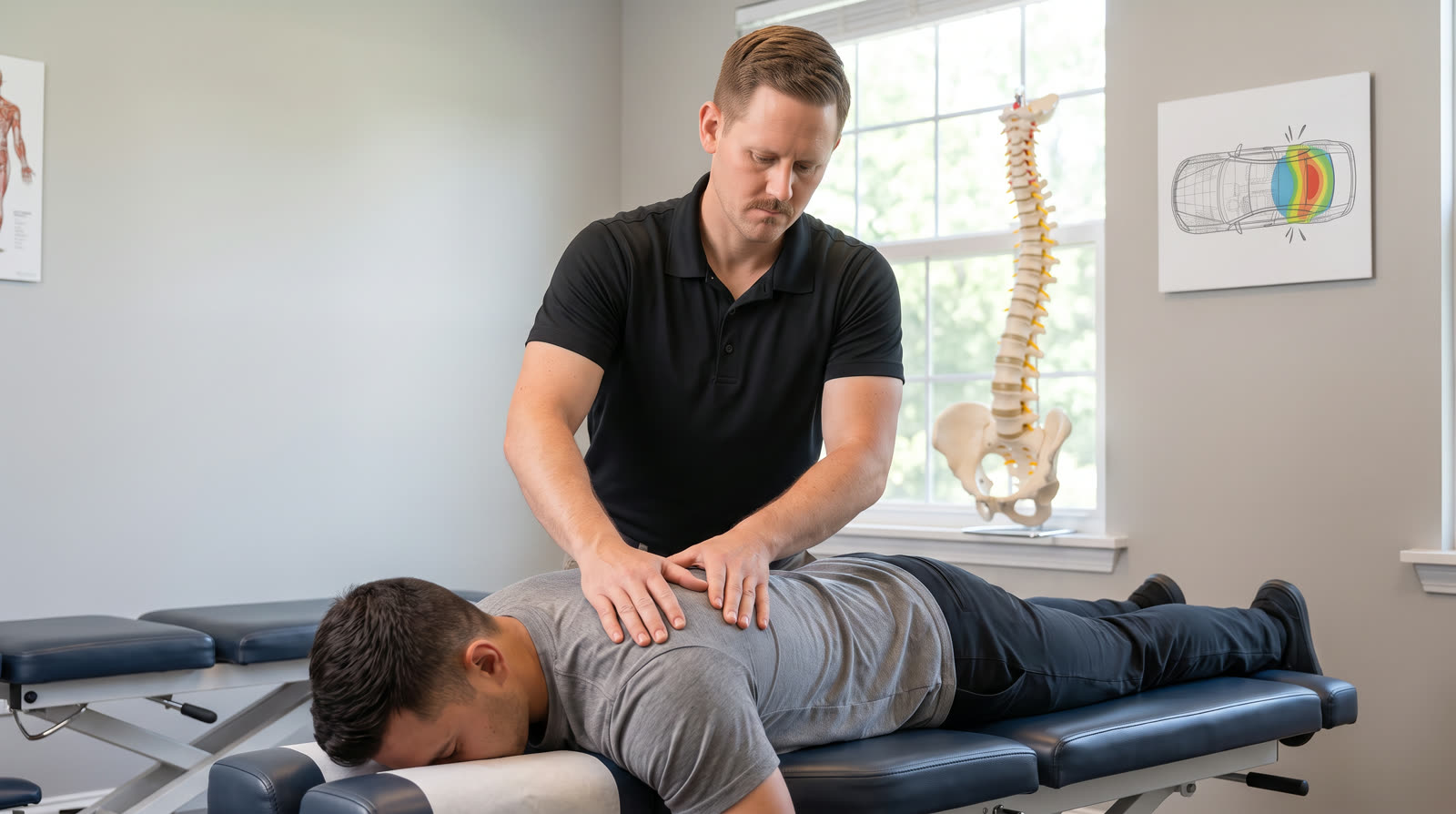
A Shoulder That Suddenly Feels Uneven
A crash can throw off the way one shoulder works with the rest of your upper body. That change may affect how the arm lifts, reaches, rotates, and carries weight.
Your Shoulder Blade May Be Moving Out of Sync
The shoulder blade should glide as your arm moves. After a collision, one side may lag, tilt, or feel less steady than the other. That small change can place extra stress on the muscles that help control the joint.
Grip Strength Can Reveal a Bigger Problem
A weaker grip may show up even when the main pain sits near the shoulder. Holding a bag, turning a door handle, or carrying groceries may suddenly feel harder on one side. This can give a chiropractor another clue about how the crash affected the upper body.
One Side May Start Doing More Work
Your body may begin shifting work away from the sore side without you noticing. The other shoulder can then take on more effort during lifting, reaching, or pushing. Checking both sides can help find these movement changes before they become a new source of discomfort.
Grip-to-shoulder connection
Follow the simplified pathway to see why hand function can provide useful information when the shoulder and upper body are being evaluated.
Choose a point above to follow the pathway from the shoulder to the hand.
0 of 4 points reviewed
A grip change does not identify the cause by itself. It is one piece of information that may be considered during an examination.
Hand and grip changes can be useful context when upper-body movement is being checked.Pain Between the Shoulder Blades
A hard brace during impact can leave the upper back feeling sore long after the crash ends. Tight muscles between the shoulder blades may start to hurt more while driving, typing, or reaching ahead. That strain can turn basic daily tasks into something you notice with every move.
Long periods of sitting may make the area feel stiff and harder to relax. Reaching across your body or lifting your arms can also bring the pain back fast. A car accident chiropractor in St. Augustine can check how the upper back is moving and look for areas that may be adding to the discomfort.
Lower Back Pain Every Time You Stand Up
Standing up should feel easy, but a crash can change that fast. Getting out of a chair or stepping out of the car may send pain through your lower back. Each painful rise can point to muscles or joints that are still dealing with the impact.
Even bending down and coming back up may start to feel harder than before. Pain during these basic moves can show that your lower back is no longer moving the way it should. Chiropractic care can check the joints, muscles, and movement patterns that may be causing the trouble.
Your Morning Stiffness Suddenly Gets Worse
Waking up sore after a crash can make the first part of your day feel much harder. Hours of lying still may leave irritated joints and muscles feeling tight when you finally get out of bed. That stiffness can ease once you start moving, but the pattern may return again the next morning.
Here are signs that morning stiffness may be tied to changes caused by the accident:
- Getting out of bed feels harder: Rolling over or pushing yourself upright may pull on sore areas in the neck or back. Pain during these first movements can show where your body is struggling after hours of rest.
- Your first steps feel stiff: The lower back and hips may need extra time to loosen once your feet hit the floor. A slow or guarded walk can be your body trying to avoid movements that feel uncomfortable.
- Turning your head takes effort: Sleeping in one position can make neck tightness feel worse when you wake up. Checking the clock, looking toward the door, or turning toward your pillow may bring that stiffness into focus.
- The stiffness keeps coming back: Feeling better later in the day does not always mean the problem is gone. A repeated morning pattern can point to joints or soft tissue that still are not moving comfortably.
Morning stiffness that starts after a crash deserves attention when it keeps changing how you move at the start of each day.
First 10 minutes after waking
Follow a general morning sequence to see where post-crash stiffness may become easier to notice after hours of rest.
Choose a stage above to see where stiffness may be easier to notice.
0 of 4 stages reviewed
Morning stiffness patterns vary. A repeated change in movement may be useful information during an examination.
The first movements of the day may make post-crash stiffness easier to notice.Feel Better With the Help of a Car Accident Chiropractor in St. Augustine
Even a minor crash can leave pain that sticks around longer than expected. Back in Motion can check what changed and help you move forward with the right care. Getting answers early can keep small problems from becoming daily frustrations.
Frequently Asked Questions
A crash can irritate the lower back and make long periods of sitting uncomfortable. Pain that returns every time you sit, stand, or get out of the car may deserve a chiropractic evaluation.
Tingling or numbness can happen when nerves in the neck or upper back become irritated after an impact. Symptoms that keep returning or travel down the arm should not be brushed off as normal soreness.
Yes, sudden bracing during a collision can strain the muscles and joints in the upper back. Pain that gets worse while driving, reaching, or working at a desk may be worth having checked.
Your body may twist or brace unevenly during the crash, placing extra stress on one side of the pelvis or lower back. Hip pain that changes how you walk, stand, or bend can signal that your movement was affected.
Consider scheduling an evaluation if pain, stiffness, headaches, tingling, or limited movement appear after the crash and do not settle down. A chiropractor can assess how your neck, back, and joints are moving and determine whether chiropractic care fits your symptoms.