Back pain can quietly take over more of your day than you expect. A chiropractor in St. Augustine can help you understand where the pressure may be coming from. Back In Motion looks at how your symptoms affect movement, sleep, work, and daily life.
Non-surgical spinal decompression may offer another path when rest and basic care have not done enough. Some people feel pain near the spine, while others notice tingling, weakness, or pain that travels. Each condition can act a little differently, so a full exam matters before care begins.
Schedule an appointment with Back In Motion for a clear look at your symptoms and the care options that may fit.
Learn more about the conditions that may respond to non-surgical spinal decompression.
Herniated Discs Under Pressure
Pressure inside a damaged disc can irritate a nearby nerve and make pain hard to ignore. Gentle spinal decompression creates space around the injured area with controlled pulling. Lower pressure may help the disc settle while nearby tissue begins to recover.
When nerve pressure drops, tingling, weakness, or shooting pain may ease over time. Back In Motion checks how the problem affects your movement before recommending care. Careful treatment gives your body a better chance to heal without surgery.
Bulging Discs That Keep Flaring Up
Long drives, bending, and lifting can keep pressing on the same weak disc. Pain may fade for a while, then return as daily movement adds more strain. Spinal decompression may ease that pressure and give the area time to calm down.
Repeated flare-ups often mean the source of the pain still needs attention. A chiropractor in St. Augustine can check how the disc affects your nerves and movement. The right care plan may help you move with less pain and fewer setbacks.
Can Spinal Decompression Help Sciatica?
Yes, spinal decompression may help sciatica when pressure in the lower back irritates the sciatic nerve. That pressure can send pain into the hip, leg, calf, or foot. Gentle pulling may open more space around the nerve and help calm the area.
Relief depends on what is causing the nerve pain. A full exam helps find the source and rule out other problems. The right care plan may reduce burning, tingling, and sharp pain during daily movement.
Nerve Pain Into the Arms
Arm pain may begin with a problem in the neck, even when the neck itself does not hurt. A chiropractor in St. Augustine can examine how the nerves, joints, and discs work together before care begins.
Grip Changes Can Reveal Hidden Nerve Stress
Weak grip strength may show up before pain becomes severe. Dropping cups, struggling with buttons, or losing control of small tools can point to a nerve problem. Back In Motion checks these changes to learn which nerve may be affected.
Head Position Can Make Symptoms Worse
Looking down at a phone or laptop can narrow spaces in the neck. Long periods in this position may increase numbness or tingling in the hand. Cervical decompression may help reduce strain when posture keeps feeding the problem.
Different Fingers Point to Different Nerves
Numbness in the thumb may involve a different nerve than numbness in the little finger. These patterns help narrow down where pressure may be located. Care becomes more focused when the symptom path matches the affected nerve root.
Lower Back Pain From Sitting
Hours in a chair can press the same part of your lower spine again and again. Workdays, road trips, and long drives may make disc pain harder to ignore. Standing up might bring short relief, but the ache often returns once you sit down.
Spinal decompression gently takes weight off the sore area. Reduced pressure may give irritated discs more room to settle. Treatment aimed at the spine can reach deeper than a basic muscle rub.
Narrowed Nerve Openings
Small passageways along the spine give nerves a path into the body. Disc wear, swelling, or joint changes can shrink these openings and trap the nerve. Crowding may lead to aching, numbness, weakness, or pain that spreads.
Controlled decompression can ease pressure near the pinched area. More room may help the nerve send signals with less irritation. Targeting the tight opening gets closer to the cause than easing nearby muscle tension.
Chronic Neck Pain With Headaches
Headaches that return with neck pain may point to stress deeper in the spine. Stiff joints or worn discs can limit motion and force nearby muscles to work harder. Cervical decompression may ease this strain and help calm the pattern behind both problems.
The headache pattern may reveal where the pressure begins:
- Pain starts near the base of the skull: Irritated joints in the upper neck can send pain toward the forehead or behind the eyes. This path often feels different from a common tension headache.
- Neck movement can change the pain: Turning or tilting the head may make the headache worse. That response can show that the neck plays a direct role in the symptoms.
- Muscle tightness keeps returning: Massage may bring brief relief when deeper pressure remains. Lasting improvement often depends on addressing the joint or disc stress that keeps the muscles tense.
- Daily posture adds more strain: Looking down at screens can load the neck and narrow already tight spaces. Decompression may reduce this buildup and give irritated areas a chance to settle.
Finding the source of the pressure can lead to care that addresses more than the headache alone.
Take the Pressure Off With Non-Surgical Spinal Decompression
Pain linked to discs or pinched nerves can keep shrinking your daily routine. Back In Motion can assess your symptoms and determine whether decompression is a good fit for you. Schedule an appointment and find out what may help you move with less pain.
Frequently Asked Questions
What does spinal decompression feel like during treatment?
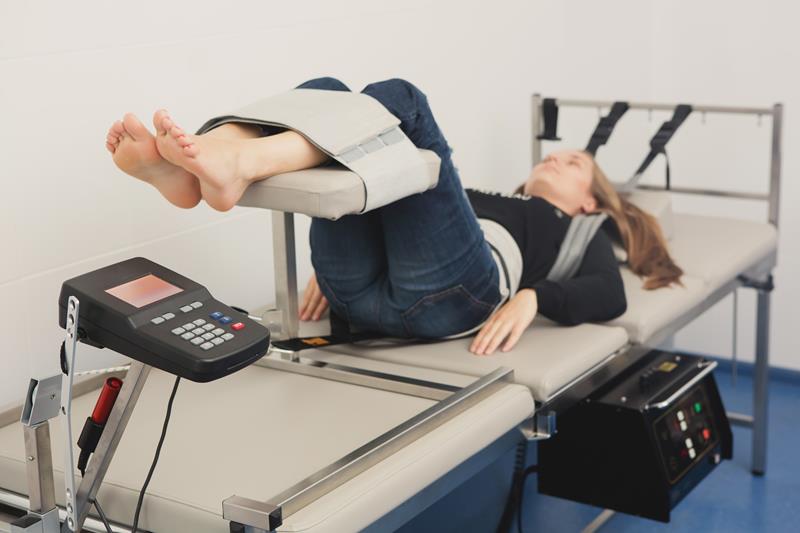
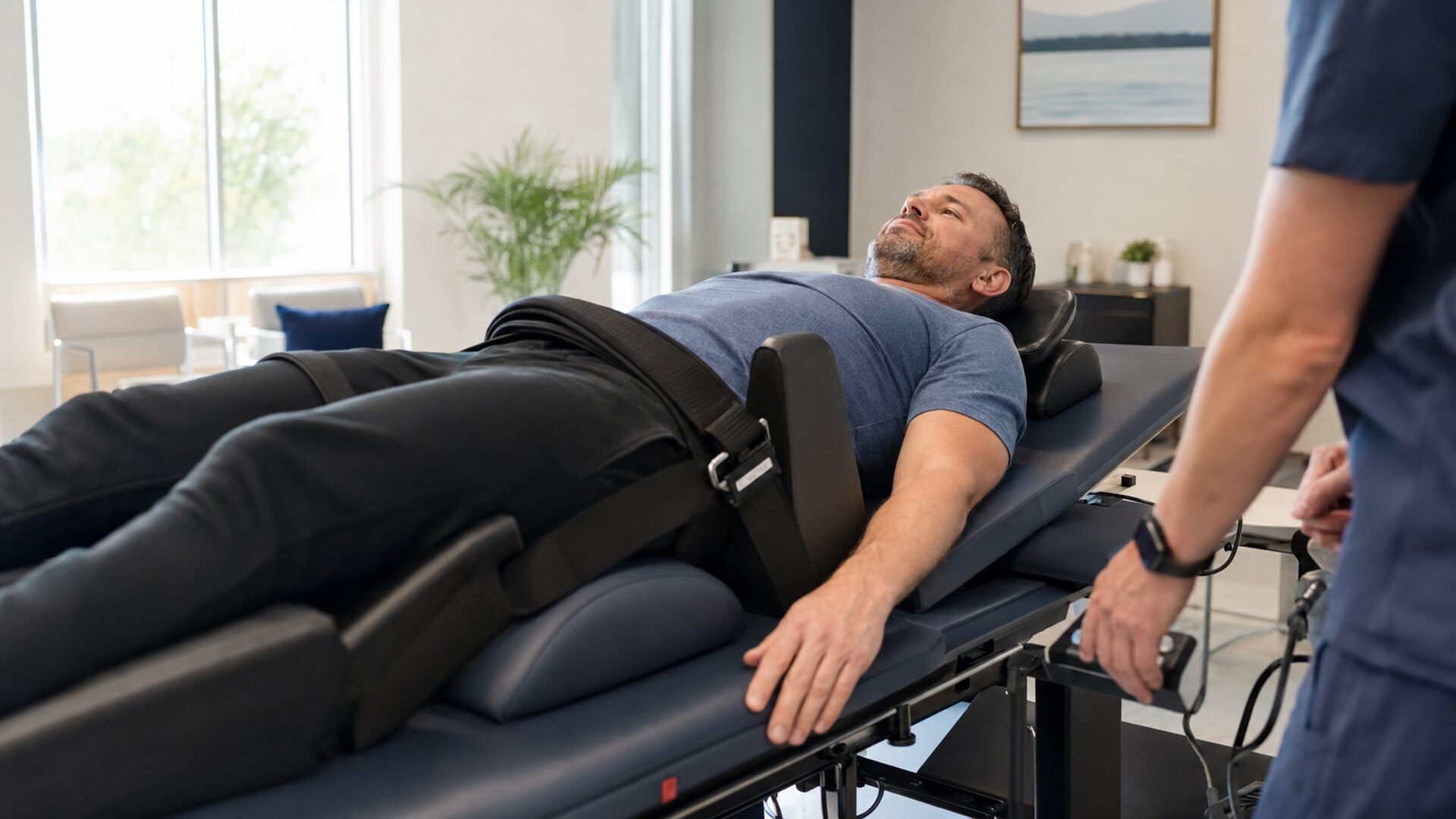
Spinal decompression uses a gentle, controlled pull to reduce pressure on certain parts of the spine. Many people feel a mild stretching sensation while the table targets the problem area.
Can spinal decompression help pain that travels into an arm or leg?
Spinal decompression may help when a compressed nerve sends pain, tingling, or numbness into an arm or leg. A full exam can show whether the symptoms start near a damaged disc or narrowed nerve space.
Why does back pain get worse after sitting for a long time?
Long periods of sitting can place steady pressure on the lower spine and irritated discs. Spinal decompression may help unload the area when sitting keeps causing the same pain to return.
Does spinal decompression help headaches linked to neck pain?
Cervical decompression may help when stiff joints or compressed discs in the neck feed a headache pattern. Treatment focuses on reducing pressure near the source instead of only calming tight muscles.
How do I know if spinal decompression fits my condition?
A chiropractor will review your symptoms, movement, health history, and exam findings before recommending care. Spinal decompression works best when the treatment matches the actual source of the pain.