A car accident can change how your body moves in ways that are easy to overlook. An accident chiropractor in St. Augustine, FL, can watch for movement patterns that help show how your body is responding after the crash. Those changes can give you a broader view of recovery than pain alone.
Back In Motion looks at how your movement develops as care moves forward. Better motion can show progress, while ongoing limits may point to areas that still need attention. Watching these changes over time helps connect what you feel with what your body is actually doing.
Below, you’ll see the movement changes a chiropractor may track during auto accident recovery.
Neck Rotation Stops Hitting the Same Wall
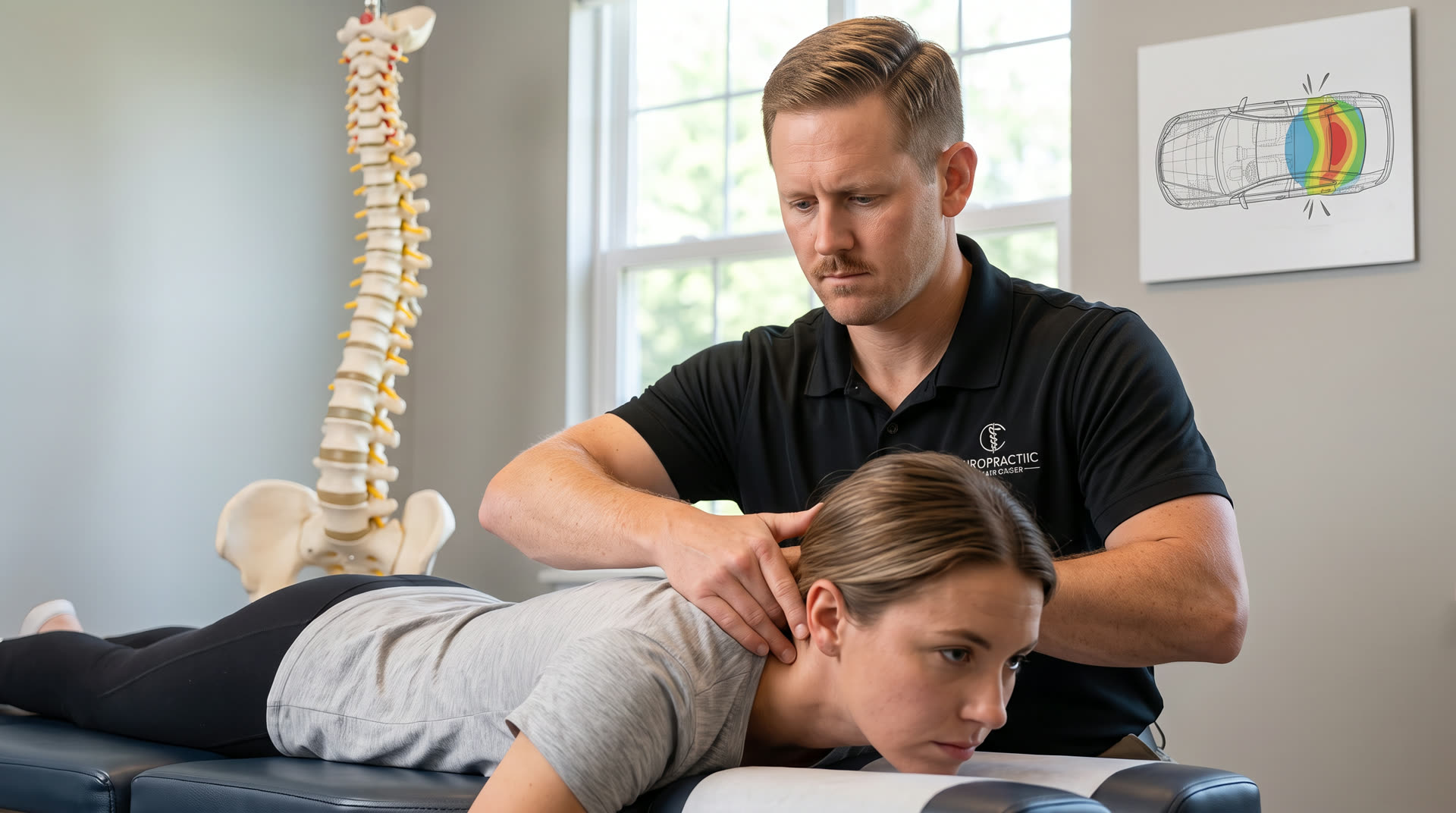
Neck motion can improve before the movement feels fully normal. A chiropractor may look beyond distance and study how the body completes the turn.
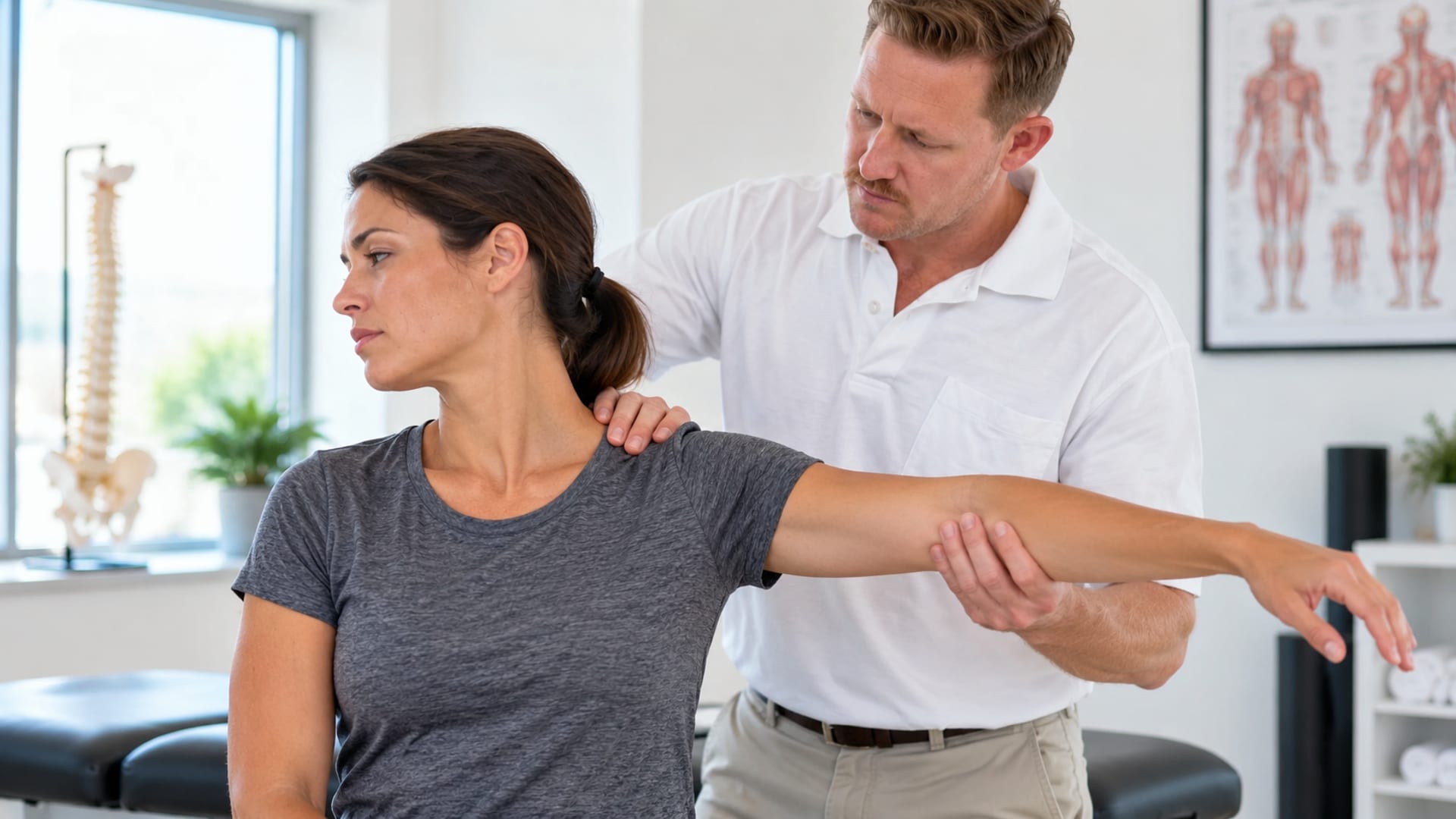
Shoulder Movement Can Expose Hidden Compensation
The shoulders may start turning with the head when the neck does not want to move on its own. This can make the total turn look better, even though the neck is still doing less work. Watching the shoulders helps show whether the neck is truly gaining motion or the upper body is covering for it.
The End of the Turn Can Reveal Lingering Guarding
A person may reach farther but still slow down or tense up near the end of the motion. That change can show the body is still protecting one part of the neck even as overall movement improves. Tracking how smoothly the turn finishes gives the chiropractor another way to judge recovery.
Shoulder compensation animation
Watch two simplified movement examples to see how shoulder movement can change the way a neck turn appears.
Choose an example above to see how the turn is being completed.
0 of 3 stages reviewed
The total turn does not always show how much movement came from the neck.
Neck leads the turn: This example shows more of the visible turn coming from the neck itself.
Shoulders turn with the head: Shoulder movement can add to the total turn and make the neck appear to move farther.
End of the turn: A chiropractor may also watch how smoothly the movement finishes, not only how far the head turns.
These interactive features show simplified movement patterns a chiropractor may observe. They do not measure your recovery or replace an examination.
Watching the shoulders can provide more context about how a neck turn is being completed.Flexion and Extension Become More Balanced
Forward and backward neck motion can recover at different speeds after a crash. One direction may loosen up while the other still feels tight or guarded. Comparing both motions can indicate whether the neck is starting to move more evenly.
Small gaps between the two directions may close as recovery moves forward. An auto accident chiropractor in St. Augustine, FL, may track those changes across visits instead of judging progress from one movement alone. Seeing the motions become more balanced can provide a clearer picture of how the neck handles normal daily movement.
Forward and backward motion compare
Switch between simplified examples of forward and backward neck movement to see why both directions may be observed.
Choose a direction above to see the illustrated movement path.
0 of 3 examples reviewed
Forward example shown: Forward movement may change at a different pace than backward movement.
Backward example shown: Looking at the opposite direction gives another part of the movement picture.
Comparison active: Comparing both directions can reveal whether a visible gap between the two movements is changing.
Does One Side of the Neck Move Less After a Crash?
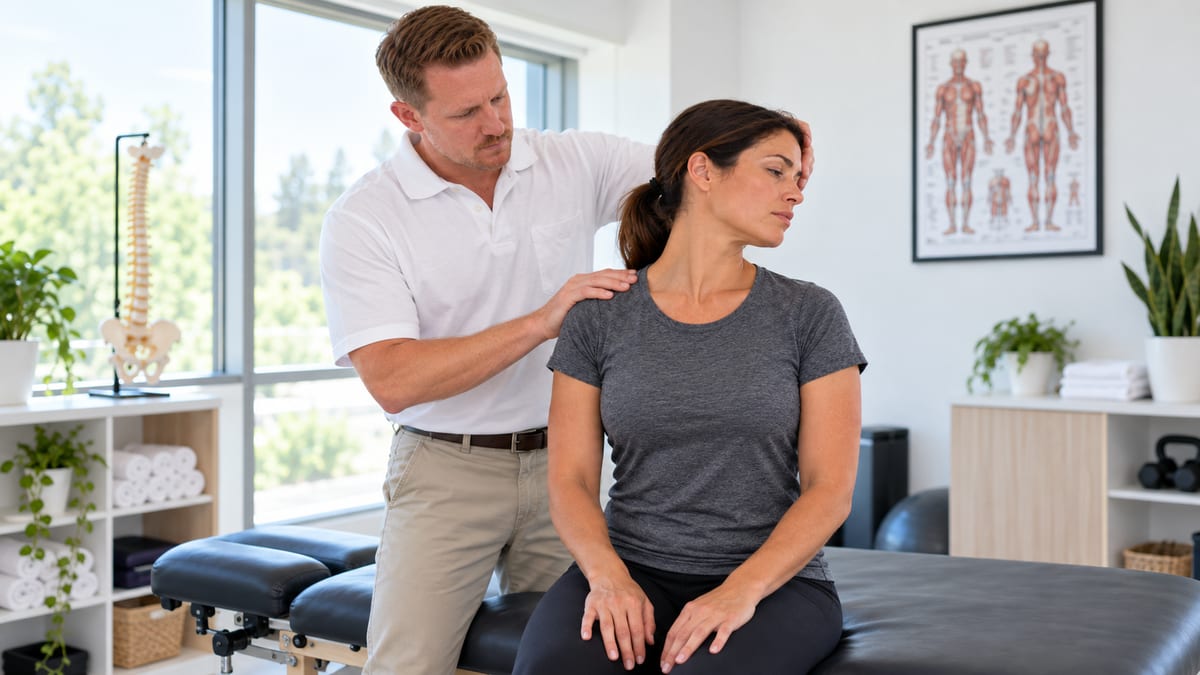
Yes, one side of the neck can stay tighter after a car crash. Turning or leaning toward one side may feel harder, even when the other side starts moving better. This uneven motion can help show where the neck is still holding back.
Back In Motion can compare both sides over time to see if the gap starts to shrink. A lasting difference may point to muscles or joints that still need extra care. Tracking each side separately gives a fuller view of how the neck is recovering.
Side-to-side movement compare
Compare two simplified neck movement paths to see how one side may move differently from the other.
Choose a movement path above to see how each side is illustrated.
0 of 3 examples reviewed
First side shown: One direction may appear more limited even while the opposite direction moves more freely.
Second side shown: Looking at each side separately can make an uneven pattern easier to see.
Comparison active: Repeated observations can show whether the visible difference between the two sides is changing.
Head Movement Becomes Less Compensated
Stiff neck motion can make the rest of the body step in and help. Shoulders may turn with the head during simple moves like checking traffic or looking across a room. Extra body movement can show that the neck is still avoiding part of the job.
As motion improves, the head may begin to turn with less help from the chest and shoulders. Smoother movement can be a useful sign that the neck is handling more on its own. Watching these small changes can give a chiropractor a better view of how movement is returning.
Everyday movement compensation viewer
Choose an everyday example to see which parts of the upper body may join a head turn.
Choose an everyday example and a movement state to see which regions may join the turn.
No everyday example selected
More upper-body help: The shoulders and chest may add movement when the neck is doing less of the turn.
Less upper-body help: A movement may appear smoother when the head turns with less extra motion from the upper body.
Compare states: Watching several body regions can reveal how the movement is being completed.
Upper Back Motion Starts Sharing the Load
The neck should not have to handle every turn and bend on its own after a crash. When the upper back stays stiff, the body can push too much motion into smaller areas that are already sore. An auto accident chiropractor in St. Augustine, FL, may watch how these regions begin working together again.
The following changes can show that movement is being shared in a healthier way:
- Rotation Spreads Through More of the Spine: The upper back may begin joining turns instead of leaving all the work to the neck. This can make everyday movements feel smoother and less forced.
- Shoulder Blades Move With Less Resistance: Tight upper back joints can change how the shoulder blades glide during reaching and turning. Easier movement around the shoulder blades may show that nearby areas are no longer fighting each other.
- Mid Back Stiffness Stops Blocking Simple Tasks: Reaching for a seat belt or turning toward a passenger can expose stiffness below the neck. Better motion through the mid back can help these tasks happen without the body twisting around the restriction.
- One Area Stops Taking Over the Movement: A stiff section can force another part of the spine to move farther than it should. More even motion can reduce that overload and help the whole upper body move as one connected unit.
When the neck and upper back start sharing the work again, daily movement can feel more natural and controlled.
Upper body movement sharing map
Select a region to see how neck, upper-back, and shoulder movement can work together during everyday motion.
Choose a region above to see how it may take part in everyday movement.
0 of 4 regions reviewed
Looking at several regions together can provide a broader view of how the upper body shares movement.
Neck: A turn can look different when the neck is carrying more of the visible movement.
Upper back: Upper-back rotation can contribute to a turn instead of leaving all of the movement to a smaller area.
Shoulder blades: Shoulder-blade movement can provide another clue about how the upper body is working during reaching and turning.
Mid back: Movement below the neck can affect how the body completes tasks such as turning toward a passenger or reaching for a seat belt.
Pain Appears Later in the Motion
Pain does not always disappear all at once during recovery. Early on, a small turn or bend may bring discomfort almost right away. Later visits may show that the neck can move farther before those symptoms begin.
That extra room can matter even if some soreness is still there. A chiropractor may observe where pain first appears during the motion and compare it over time. Delayed discomfort can reveal progress that a basic pain rating may never show.
Pain-onset timeline
Follow a simplified example to see how the point where discomfort begins during the same movement may shift across observations.
Choose an example above to see where the illustrated discomfort point appears.
0 of 3 examples reviewed
In this simplified example, discomfort begins later in the same movement. A chiropractor would consider this alongside other findings rather than using it alone.
Discomfort begins earlier in this example: A smaller amount of movement is completed before the illustrated discomfort point appears.
Discomfort begins farther into the motion: The example shows more of the same movement occurring before discomfort begins.
More movement occurs before the illustrated discomfort point: A later starting point can provide another detail to compare even when some soreness remains.
Get Back on Track With The Help of an Accident Chiropractor in St. Augustine, FL
Pain does not always show the full picture after a crash. Back In Motion watches how your body moves to see where progress is happening and where limits still remain. Better movement can help show when your recovery is moving in the right direction.
Frequently Asked Questions
Yes, changes in movement can show progress before pain fully changes. A chiropractor may compare how easily your neck, back, and body move over time.
Your body may tighten or change the way it moves to protect sore or injured areas. These patterns can affect turning, bending, reaching, and other normal movements.
Lasting improvement can show that your body is holding onto progress between appointments. A chiropractor may compare movement from visit to visit to see if those gains continue.
Yes, easier movement can be one sign that stiffness and guarding are starting to ease. Range of motion is often reviewed along with pain and other symptoms.
Daily movements can reveal limits that may not show up while you are sitting still. Watching how you turn, bend, or reach can help show where your body is still compensating.